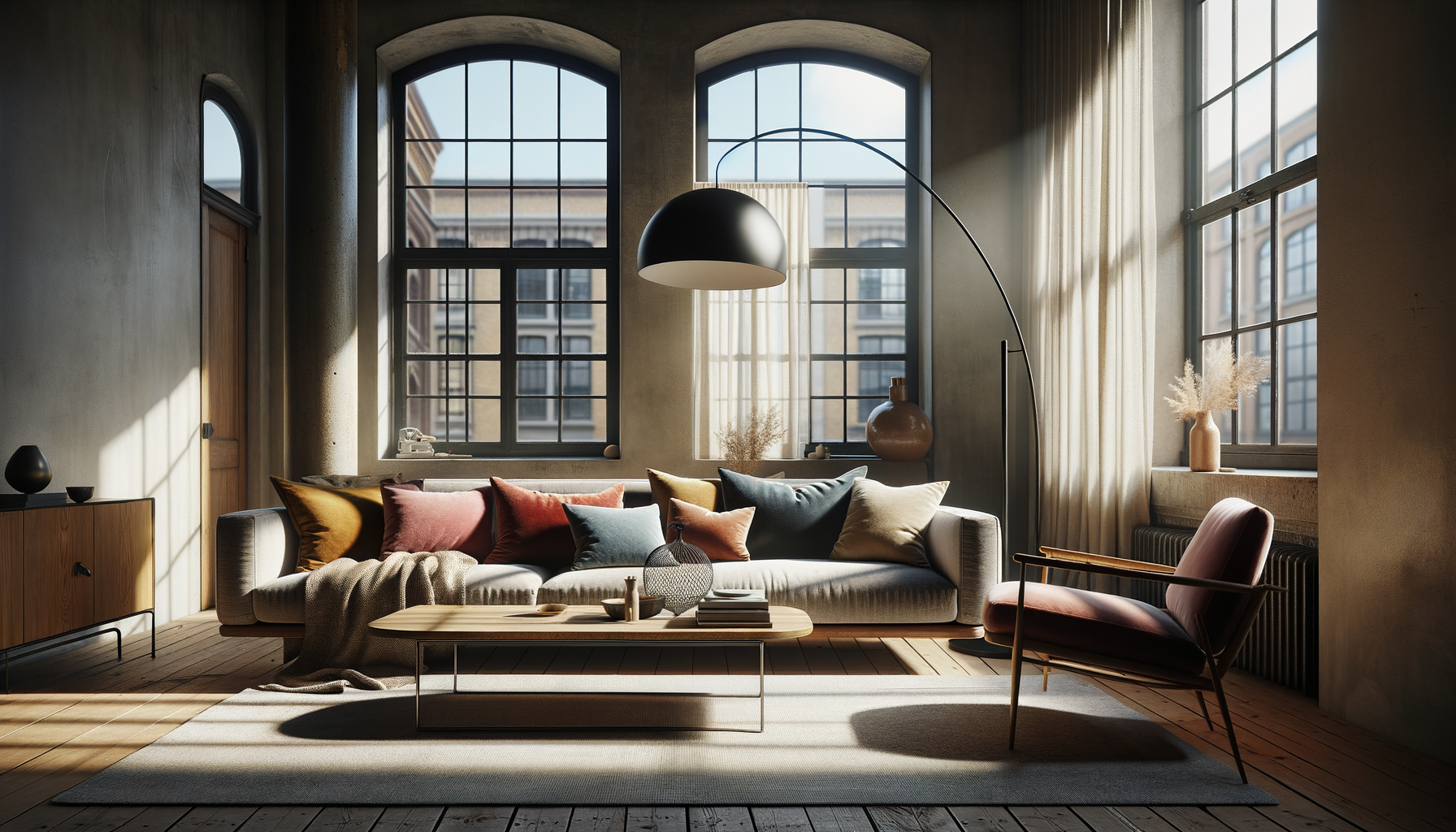
Learn More About Furniture Options Available
Introduction to Furniture Options
In the evolving world of interior design, furniture plays a pivotal role not only in aesthetics but also in functionality. As living spaces become more personalized, the demand for diverse furniture options has grown. This article delves into the various facets of furniture choices available today, helping you make informed decisions when decorating your home. Whether you are revamping a single room or furnishing an entire house, understanding the options available can transform your space into an inviting and functional environment.
Exploring Different Furniture Styles
Furniture styles are as varied as the cultures they come from, each bringing a unique flair to a living space. Traditional styles often feature ornate designs and rich, dark woods, while contemporary furniture tends to embrace minimalism with sleek lines and neutral tones. Mid-century modern pieces are characterized by their functional form and use of natural materials, offering a timeless appeal. For those inclined towards a more rustic charm, farmhouse-style furniture provides warmth with its use of reclaimed wood and distressed finishes.
Choosing a furniture style is about more than aesthetics; it reflects personal taste and lifestyle. A home adorned with eclectic furniture might indicate a love for travel and various cultures, while Scandinavian furniture, known for its simplicity and functionality, suggests a preference for clean, airy spaces. Understanding these styles can help you create a cohesive look that resonates with your personality and meets your functional needs.
Materials and Their Impact on Furniture Durability
The materials used in furniture construction significantly affect its durability and appearance. Solid wood, such as oak and walnut, offers strength and a classic appeal, although it can be more costly. Engineered woods like MDF and plywood are often more affordable alternatives, providing versatility and ease of use. Metals, particularly stainless steel and wrought iron, bring a modern touch to furniture while offering durability and resistance to wear.
Upholstery materials also play a crucial role in furniture longevity. Leather is renowned for its luxurious feel and durability, while microfiber and cotton are popular for their comfort and ease of maintenance. Understanding the pros and cons of these materials can help you choose pieces that not only fit your aesthetic preferences but also withstand everyday use.
Functionality and Space Optimization
In today’s homes, where space can be at a premium, functionality in furniture design is essential. Multi-functional furniture pieces, such as sofa beds or storage ottomans, are gaining popularity for their ability to maximize space without compromising style. Modular furniture, which can be rearranged and adapted to different needs, offers flexibility and is ideal for small apartments or dynamic spaces.
When selecting furniture, consider the layout and purpose of each room. A well-placed console table can serve as a stylish entryway piece and a practical storage solution. Similarly, extendable dining tables can accommodate both everyday meals and large gatherings, making them versatile additions to any home. By prioritizing functionality, you can create a living space that is both beautiful and practical.
Design Features and Personalization
The ability to personalize furniture design is an attractive option for many homeowners looking to create a unique living environment. Custom furniture allows for the selection of specific materials, finishes, and dimensions, ensuring that each piece fits perfectly within your space and complements your style. This level of customization can be particularly beneficial when dealing with unconventional room layouts or specific design visions.
In addition to custom pieces, many furniture brands offer a range of design features that allow for some degree of personalization. From interchangeable cushion covers to adjustable shelving, these features enable homeowners to tailor their furniture to meet their evolving needs and tastes. Ultimately, the right furniture can enhance your living space, reflecting your personality and lifestyle in every detail.
Conclusion: Making Informed Furniture Choices
Choosing the right furniture involves more than simply selecting pieces that look good. It requires a thoughtful consideration of style, materials, functionality, and personalization options. By understanding the diverse furniture options available, you can make informed decisions that enhance your living space and meet your needs. Whether you are drawn to the elegance of traditional designs or the simplicity of modern aesthetics, the right furniture can transform your home into a haven of comfort and style.
